
Common Materials Used in Masonry Installation Projects
People seeking masonry installation often want durable, attractive structures, and local contractors can help by expertly working with common materials used in these projects.
Understanding the common materials used in masonry installation projects can be a valuable step for property owners considering updates or repairs. Whether building a new retaining wall, restoring a historic façade, or adding decorative features, knowing the options available helps ensure the right choices are made for durability and aesthetic appeal. Local contractors who specialize in masonry can provide expert guidance on selecting the best materials for specific projects, ensuring that each installation not only looks great but also stands the test of time.
For property owners in the area exploring masonry work, familiarizing oneself with these materials can make the process smoother and more informed. Masonry professionals have extensive experience working with a variety of substances-such as brick, stone, concrete blocks, and mortar-to meet different design and structural needs. This knowledge allows them to recommend solutions that align with the project’s goals, whether for functional durability or visual appeal. Keep reading to discover the common materials used and how local service providers can help bring your masonry projects to life.
- Brickwork projects - when homeowners want to add durability and classic appearance to walls or facades, local contractors employ various types of brick materials suited for the specific application.
- Stone veneer installations - for enhancing aesthetic appeal on exterior or interior surfaces, service providers use different stone materials to match the desired style and structural needs.
- Concrete block construction - in building foundations or retaining walls, local pros utilize concrete blocks that provide strength and stability for various structures.
- Natural stone masonry - when creating custom features like fireplaces or decorative walls, experienced contractors select and install natural stones tailored to the project’s design.
- Thin brick cladding - for updating existing surfaces or creating a modern look, service providers apply thin brick materials that require specific installation techniques.
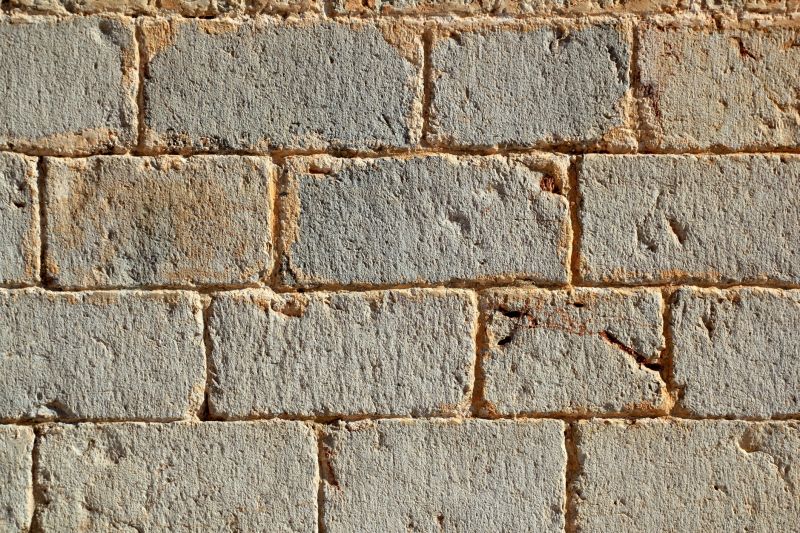
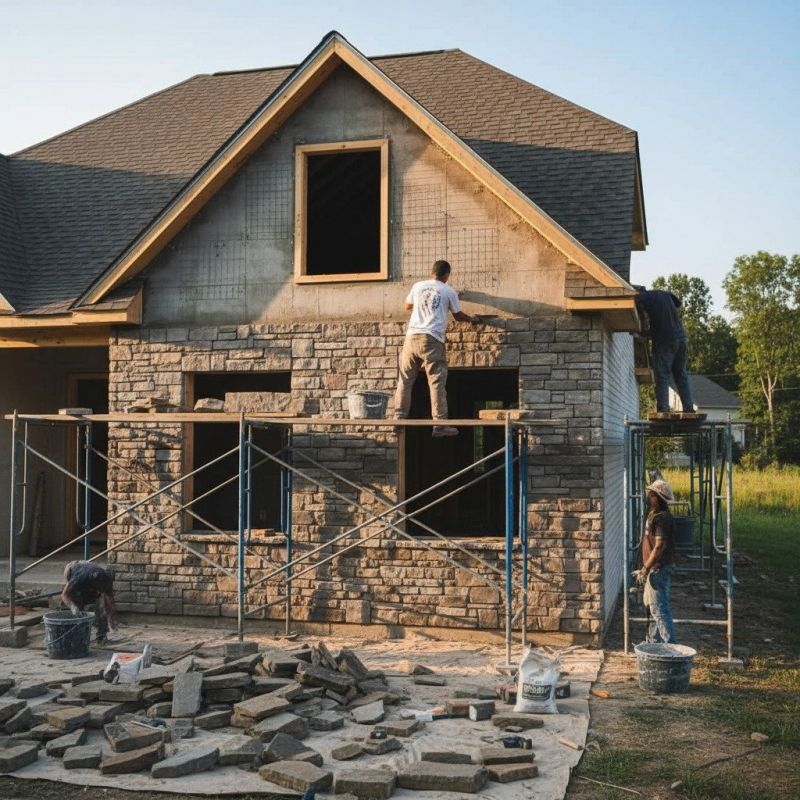
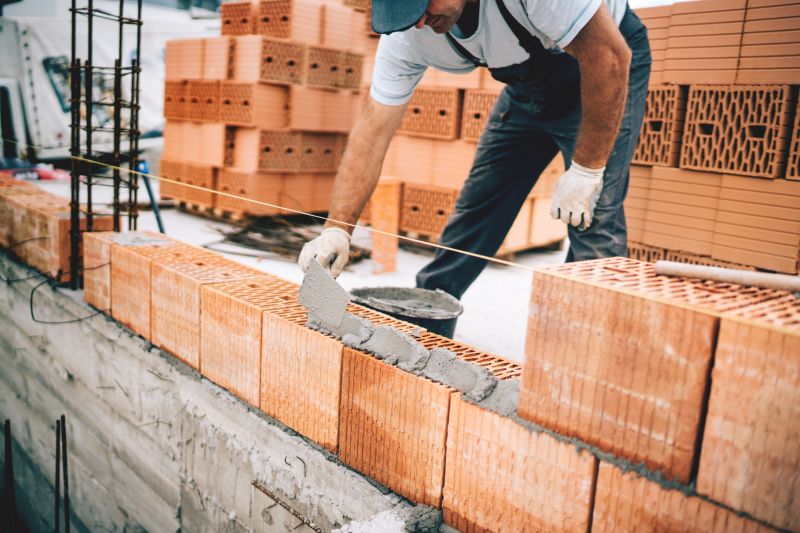
When searching for information on common materials used in masonry installation projects, homeowners are often trying to understand the options available for building or restoring structures such as walls, patios, chimneys, or facades. This topic typically comes up when planning a new masonry project or considering repairs to existing masonry features. People want to know which materials are durable, visually appealing, and suitable for their specific property type. Understanding the different materials helps homeowners make informed decisions about the longevity, appearance, and overall fit of their project, ensuring that the finished work aligns with their aesthetic preferences and functional needs.
Masonry projects often involve a range of problems or plans that relate to the choice of materials. For example, a homeowner might be considering a brick patio but needs to know if certain types of brick or stone are better suited for outdoor exposure. Others might be planning to build a retaining wall and want to select materials that can withstand soil pressure and weather conditions. The selection of materials also impacts the ease of installation, maintenance requirements, and the overall structural integrity of the finished feature. Local masonry installation contractors can evaluate these factors and recommend the best materials based on the project’s scope, location, and environmental considerations.
The types of properties that commonly come into play when discussing masonry materials include residential homes, commercial buildings, and landscape features. Residential properties often feature brick, stone, or concrete block for driveways, walkways, or decorative facades. Commercial projects might require larger-scale materials like concrete or specialized brick for durability and security. Landscape features, such as retaining walls and garden borders, frequently utilize natural stone or concrete units designed to blend with the environment. Local service providers are familiar with the properties’ unique demands and can advise on the most appropriate materials to ensure the project’s success, whether it’s a small backyard feature or a large commercial installation.
For homeowners exploring options for their masonry projects, understanding common materials used in masonry installation projects is essential for making practical choices. Local pros can assist in selecting the right materials that match the specific needs of each property, considering factors like climate, property style, and intended use. They bring expertise in handling different types of masonry materials, ensuring proper installation techniques that maximize durability and appearance. Connecting with experienced local contractors can help turn a vision into reality, providing guidance on material selection and professional installation that aligns with the project’s goals and the property’s characteristics.
Fireplace and Chimney Projects - these projects often require masonry skills and common materials like bricks and mortar, making them similar to masonry installation tasks.
Stone Retaining Walls - constructing retaining walls involves planning, material selection, and masonry techniques that align with those used in masonry installation services.
Brick Paving and Walkways - laying brick or stone pavers involves similar skills, tools, and knowledge of materials used in masonry projects.
Facade Restoration and Repair - restoring or repairing building facades involves working with masonry materials and techniques comparable to new installations.
Outdoor Fireplace and Barbecue Installations - building outdoor fireplaces and barbecues utilizes common masonry materials and methods found in masonry installation projects.
Concrete Block Wall Construction - constructing concrete block walls shares foundational skills and material handling typical of masonry installation services.
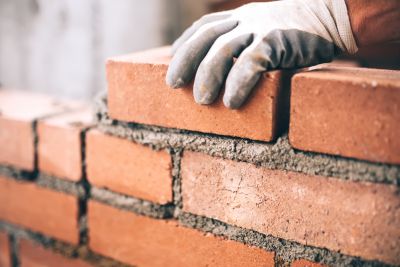
When evaluating local contractors for masonry installation projects, it is important to consider their experience with similar types of work. Homeowners should inquire about the types of projects the service providers have completed in the past and whether they have worked with common materials used in masonry installation projects. A contractor with a proven track record of handling projects involving brick, concrete blocks, natural stone, or other typical materials can offer insights into the best practices and potential challenges associated with these materials. This familiarity can help ensure that the chosen professional understands the nuances of working with different substrates and can deliver results that meet expectations.
Clear, written expectations are essential when comparing local service providers for masonry work. Homeowners should seek detailed proposals that outline the scope of work, materials to be used, and the methods involved in the installation process. This documentation helps establish a shared understanding of the project and minimizes misunderstandings. Additionally, reputable references from previous clients can provide valuable feedback on the contractor’s reliability, quality of work, and ability to communicate effectively. Engaging with references who have had similar materials installed can give a clearer picture of how well a contractor manages the specific demands of masonry projects.
Effective communication is a key factor when selecting local contractors for masonry installation services. Homeowners should look for service providers who are responsive and willing to answer questions about the materials they plan to use and the installation process. Good communication ensures that expectations are aligned and that any concerns can be addressed promptly. It also reflects a professional approach to the project, which can contribute to a smoother experience overall. By prioritizing contractors who demonstrate transparency and clarity in their interactions, homeowners can feel more confident in their choice and foster a collaborative relationship throughout the project.
Property owners often search for common materials used in masonry installation projects when they are planning practical projects around their homes and businesses. Local pros provide Masonry Installation services for everyday jobs and straightforward project options.
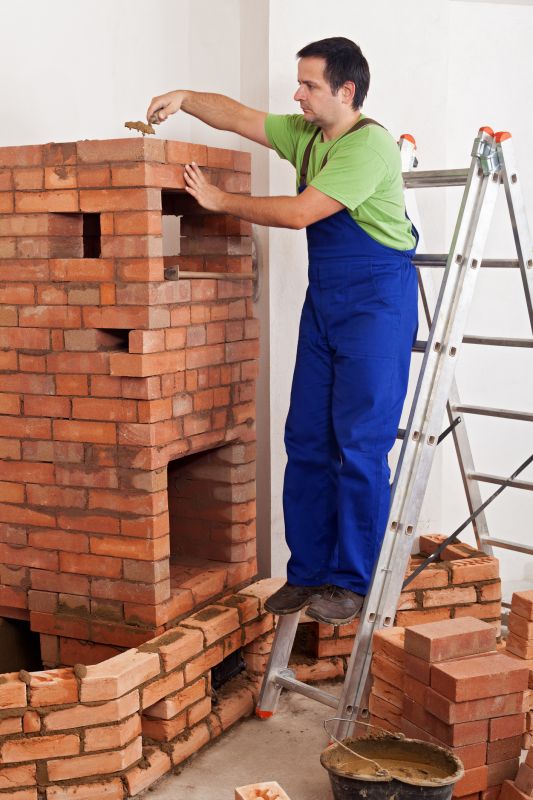
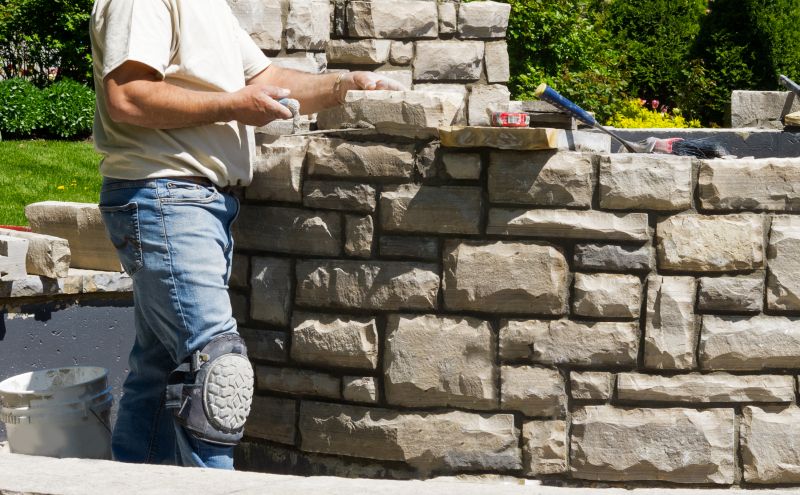
When undertaking masonry installation projects, property owners often consider the types of materials that will provide durability and visual appeal. Common materials used in masonry installation projects include bricks, concrete blocks, and natural stone, each offering different benefits depending on the project's purpose. Whether building a new retaining wall, patio, or decorative feature, understanding these materials helps property owners make informed decisions. Local contractors experienced in masonry can assist in selecting the right materials to match the design goals and withstand local weather conditions, ensuring the finished work is both functional and attractive.
Property owners might look up information on masonry materials to better understand the options available for their specific project needs. For example, bricks are popular for their classic look and versatility, while concrete blocks are valued for strength and affordability. Natural stone can add a timeless, upscale appearance but may require specialized installation techniques. When considering masonry installation services, consulting with local service providers can help ensure the chosen materials are installed correctly and effectively, resulting in a durable, long-lasting structure that enhances the property's value.
What are the common materials used in masonry installation projects? The most common materials include bricks, concrete blocks, natural stone, and mortar, which are essential for constructing durable masonry structures.
Why is mortar an important material in masonry work? Mortar acts as a binding agent that holds masonry units together, providing stability and strength to the overall structure.
Are there different types of bricks used in masonry installation? Yes, common types include clay bricks, concrete bricks, and specialty bricks, each suited for specific aesthetic and structural requirements.
What natural stones are typically used by local contractors for masonry projects? Common natural stones include limestone, granite, and sandstone, valued for their durability and appearance.
How do local service providers choose the right materials for a masonry project? They assess factors like the project’s purpose, aesthetic preferences, and structural needs to select suitable materials that ensure longevity and performance.
Common materials used in masonry installation projects can influence the durability and appearance of a structure, guiding property owners in choosing the right options for their needs with local contractors. Masonry units like bricks, concrete blocks, and stones are versatile choices for building walls, fireplaces, and outdoor features. Mortar mixes, including cement-based and lime-based options, are essential for bonding materials securely and ensuring long-lasting results. Proper selection of these materials helps property owners achieve functional and aesthetically pleasing masonry projects with the help of experienced service providers.
If you are thinking about common materials used in masonry installation projects for a property, this guide is meant to help you understand this topic, the typical project types, and how different options might fit your plans.
When you are ready, you can use the quote form on this page to share a few details about your project. From there, local pros can review the basics and follow up with options that match what you have in mind.